Examining the Environmental Effects of Paper Bag Packaging vs. Plastic
The debate over paper versus plastic bags emphasizes considerable environmental concerns. Paper bags present biodegradability and the potential for eco-friendly production. Nevertheless, they also necessitate substantial energy and water during manufacturing. In contrast, plastic bags consume less energy but lead to long-lasting pollution. This complex interplay of factors raises important questions about sustainability and consumer impact. What solutions can balance these competing interests?
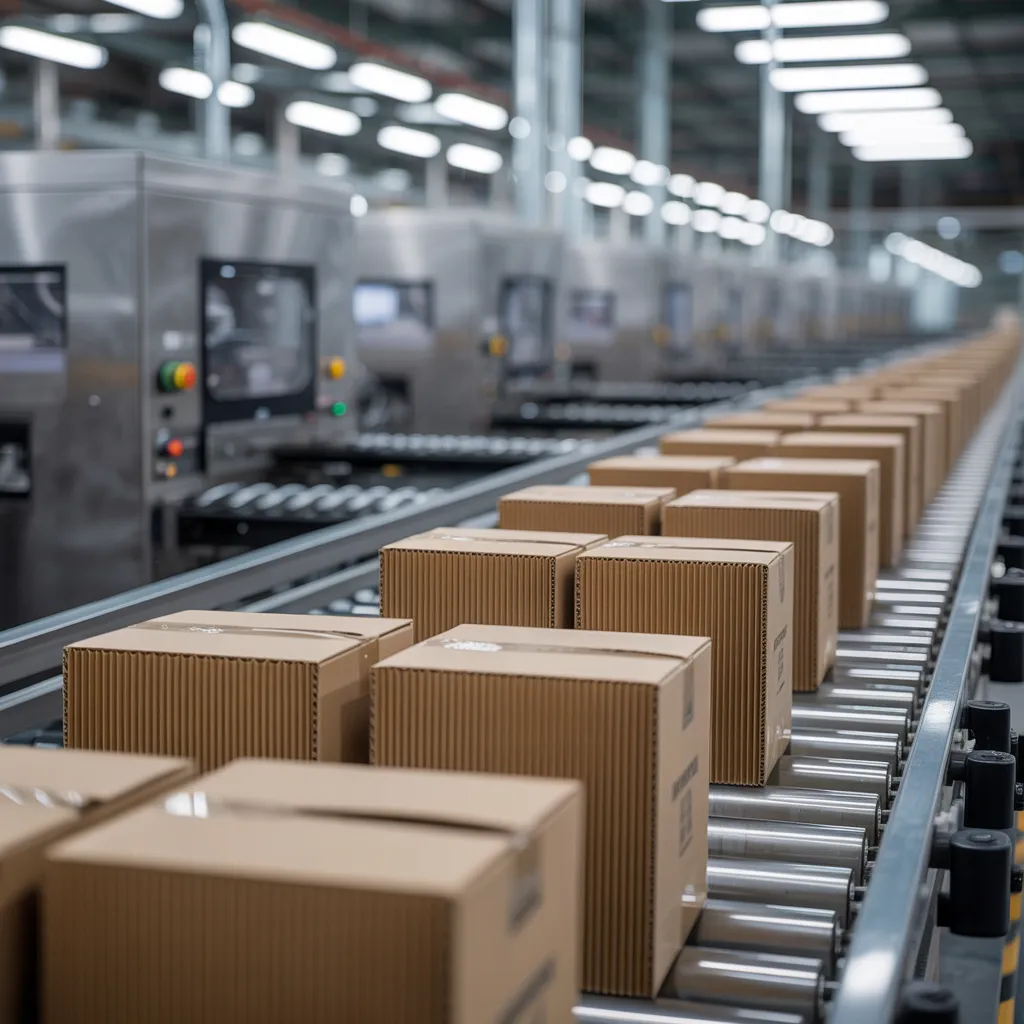
The Manufacturing Process: Environmental Aspects
While both paper and plastic bags serve like purposes, their manufacturing processes markedly differ, impacting the environment in numerous ways. Paper bags are usually made from trees, necessitating deforestation and water consumption, which can cause habitat loss and soil erosion. The process includes pulping and bleaching, often using detrimental chemicals that can contaminate waterways. Conversely, plastic bags are obtained from petroleum, a non-renewable resource. Their production entails the extraction of fossil fuels, which can result in considerable environmental degradation, including oil spills and greenhouse gas emissions.
Moreover, the creation of plastic bags generally requires reduced energy in comparison to paper, however the extraction and refining of fossil fuels can have detrimental effects. Both processes lead to pollution but in different manners, underscoring the complexity of environmental considerations connected to each type of bag. Understanding these factors is essential for consumers making eco-friendly choices.
Energy Usage and Carbon Emissions
When assessing the environmental impact of both paper and plastic bags, energy consumption and carbon footprint stand out as essential factors. The production of paper bags generally demands more energy relative to plastic bags, largely due to the processes involved in tree harvesting, pulping, and manufacturing. This energy-intensive process generates a higher carbon footprint for paper bags, particularly when factoring in transportation emissions from sourcing raw materials.
Conversely, plastic bags, produced from petroleum-based products, generally have a lower initial energy requirement during production. Nonetheless, the extraction and refinement of fossil fuels substantially impact their overall carbon footprint.
It is critical to analyze the comprehensive lifecycle of both materials, as energy consumption during manufacturing, transportation, and potential disposal methods can greatly influence their environmental effects. Grasping these dynamics is critical for making educated choices regarding packaging options and their sustainability.
Waste Management and Biodegradability
The aspects of biodegradability and waste management serve as crucial elements when comparing paper and plastic bags, as their environmental impacts reach past production to their end-of-life scenarios. Paper bags are frequently praised for their biodegradability, decomposing naturally within months under the right conditions. However, this process requires proper disposal methods, such as composting, which are not available everywhere. Conversely, plastic bags can take centuries to decompose, creating considerable long-term pollution issues.
Additionally, the incorrect disposal of plastic leads to extensive marine contamination and debris, while paper bags, though naturally degradable, still require resources during fabrication and delivery. Recycling statistics for both materials change depending on location, affecting their overall effectiveness in waste management. Communities that prioritize waste recycling and organic composting can mitigate some of these environmental challenges, but discover more without proper infrastructure, both bag types introduce environmental challenges that need to be addressed thoroughly.
Life Cycle Analysis: Paper versus Plastic
A comprehensive life cycle assessment (LCA) demonstrates that both paper and plastic bags have distinct environmental footprints from production to disposal. The production of paper bags usually requires more water and energy, resulting in higher greenhouse gas emissions in comparison to plastic bags. However, paper bags are made from renewable resources, which can minimize some environmental concerns if sourced sustainably.
In contrast, plastic bags are manufactured using less energy but are obtained from non-renewable fossil fuels, leading to resource depletion and pollution. Their lightweight nature permits lower transport emissions.
When considering disposal, paper bags generally biodegrade more readily, while plastic bags can persist in the environment for many hundreds of years, creating persistent ecological dangers.
In conclusion, the LCA stresses that both types of bags have notable environmental footprints that fluctuate depending on factors such as production methods, usage frequency, and waste management systems.
Buyer Behavior and Environmentally Conscious Choices
In what ways do consumer decisions affect environmental sustainability? Buyers serve a vital purpose in determining environmental outcomes through their consumption patterns. The interest in sustainable products, for example paper bags, frequently motivates manufacturers to pursue eco-friendly practices. Data reveals that when consumers emphasize sustainability, businesses are more likely to innovate and offer environmentally responsible options. However, the prevalence of plastic packaging remains a challenge to these efforts, as convenience often outweighs environmental considerations for many shoppers.
Additionally, consumer consciousness and educational efforts markedly shape behavior towards sustainable choices. Efforts championing the benefits of paper bags over plastic can contribute to increased acceptance and usage of greener alternatives. Finally, the collective choices of consumers drive market trends and stimulate the shift towards more sustainable practices. As individuals become more informed about their environmental impact, their preferences can cultivate a culture of sustainability within the marketplace.
Questions & Answers
Is the Cost of Paper Bags Higher Than Plastic Bags?
Paper bags are typically more expensive than plastic bags owing to higher production costs. Nevertheless, prices can vary based on material quality, supplier, and quantities purchased, determining overall cost comparisons between the two options.
Can Paper Bags Support More Weight Than Plastic Bags?
Paper bags usually possess a lower weight capacity when compared with plastic bags. While paper bags can carry modest weights, plastic bags are generally designed to carry heavier loads due to their material strength and flexibility.
What Is the Shelf Life of Paper Bags in Storage?
Paper bags will last in storage for several months to a few years, depending on conditions such as temperature and moisture levels. If stored correctly, they maintain their functionality, but prolonged exposure to moisture may diminish their integrity.
Are Biodegradable Plastic Bags on the Market?
Certainly, plastic bags that biodegrade are obtainable, made from materials formulated to break down at a quicker rate than regular plastics. Nevertheless, the performance of their biodegradability often depends on particular environmental conditions during decomposition and disposal procedures.
What Are the Recycling Rates for Paper vs. Plastic Bags?
Recycling rates for paper bags commonly vary between 70% to 90%, while plastic bags have considerably lower rates, roughly 9%. This disparity reveals notable differences in the recycling infrastructure and consumer behavior connected to each material.